
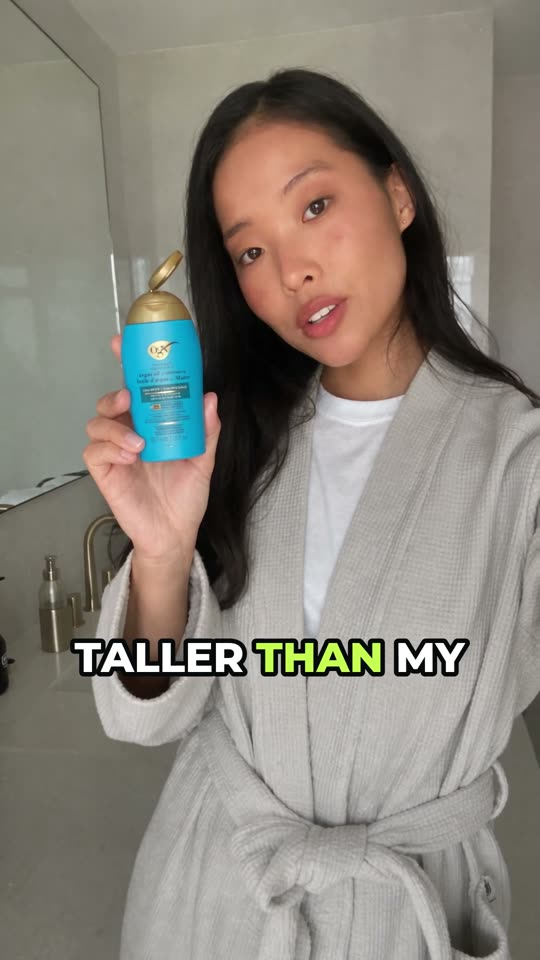
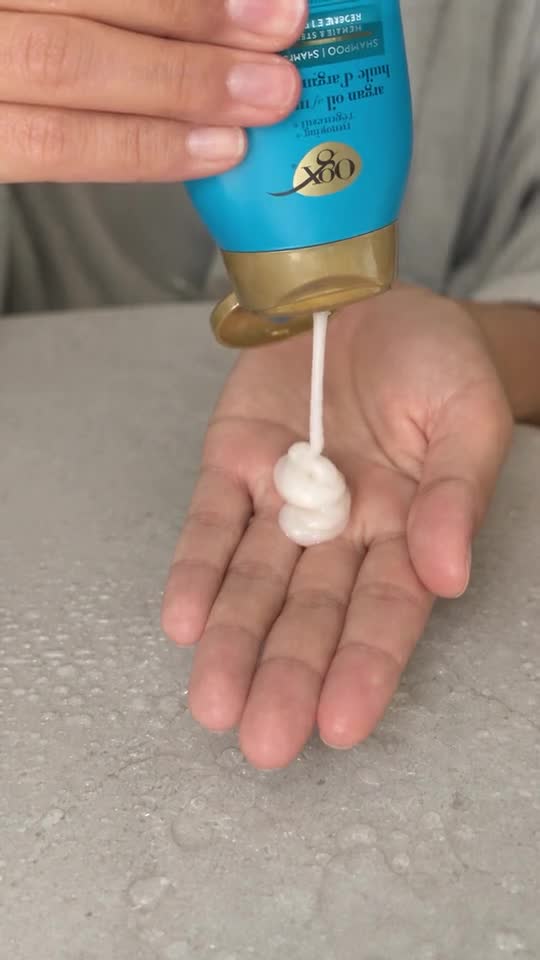
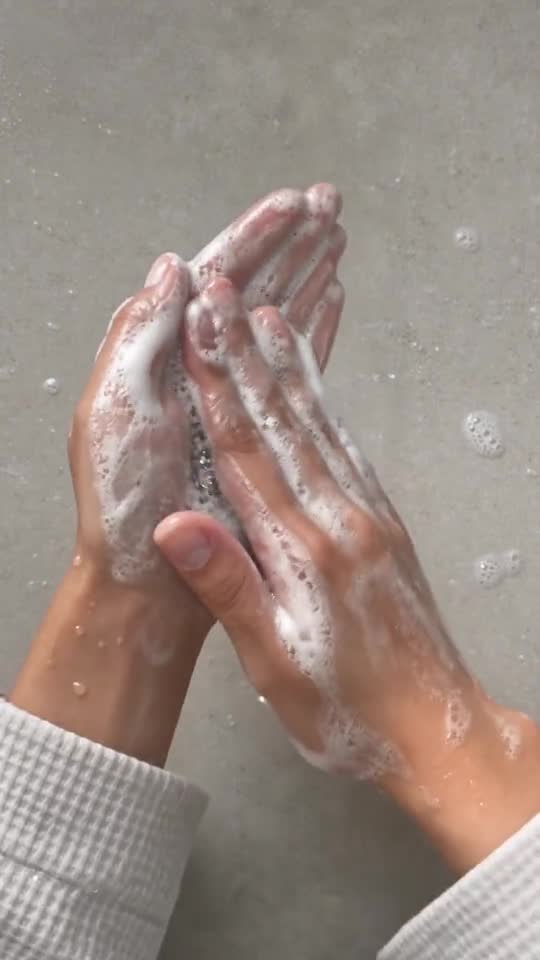

Argan oil shampoo
AI presenter · bathroom
Tap for sound
“Taller than my hand, this whole thing.”
OpenAffect AI-generated ad
Scale your B2C software/product business with unprecedented media distribution
Talk to usAI-hybrid UGC management combining real creators and AI creators working to scale your brand’s reach. Same quality, far more volume.
“Taller than my hand, this whole thing.”
OpenAffect AI-generated ad

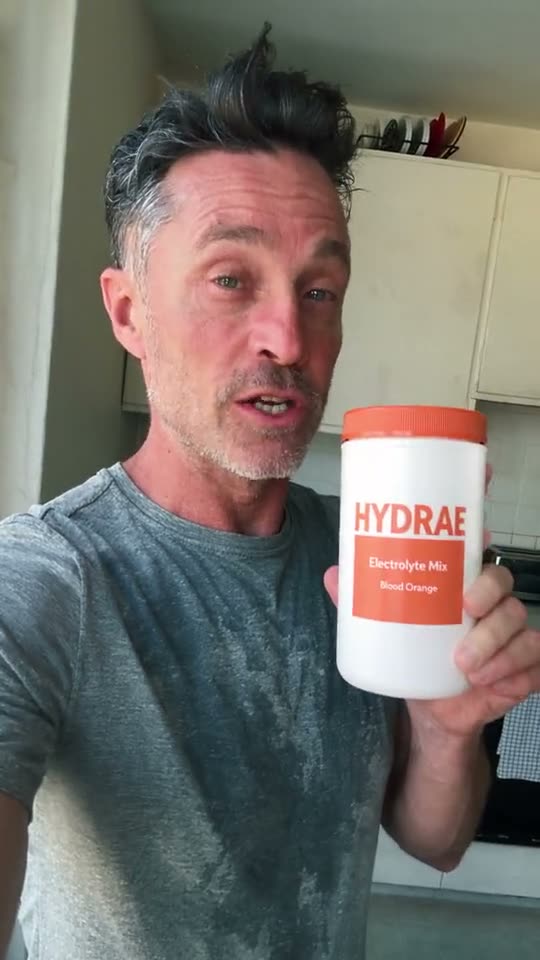
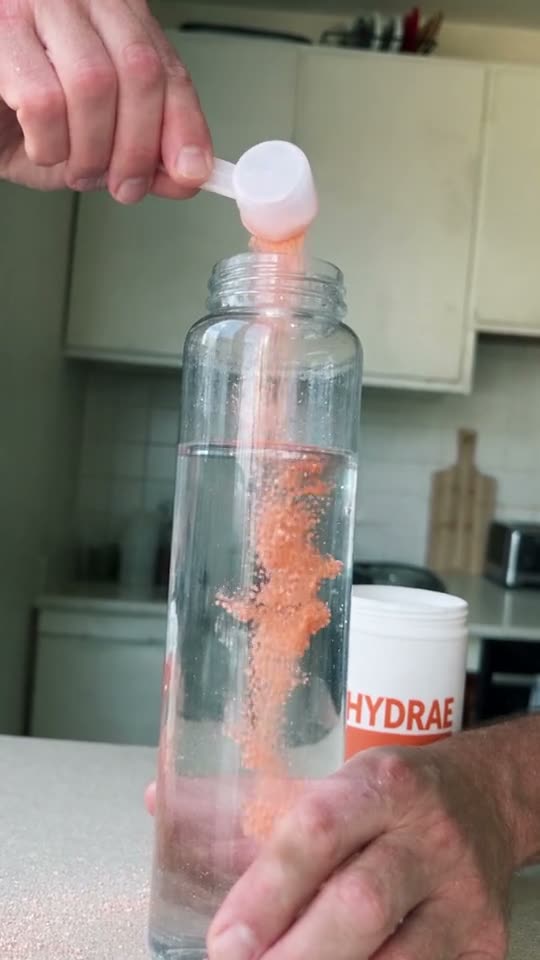
“Blood orange flavour, zero sugar.”
OpenAffect AI-generated ad

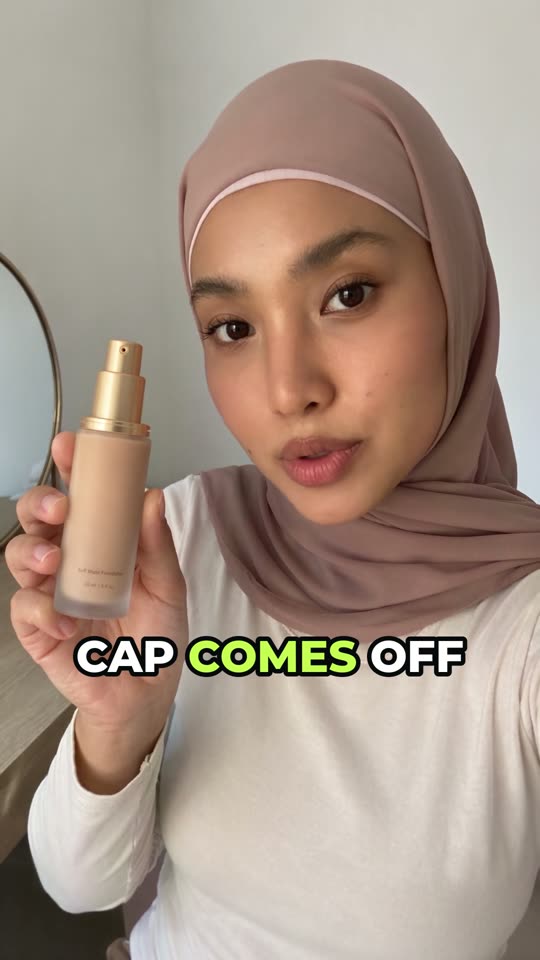
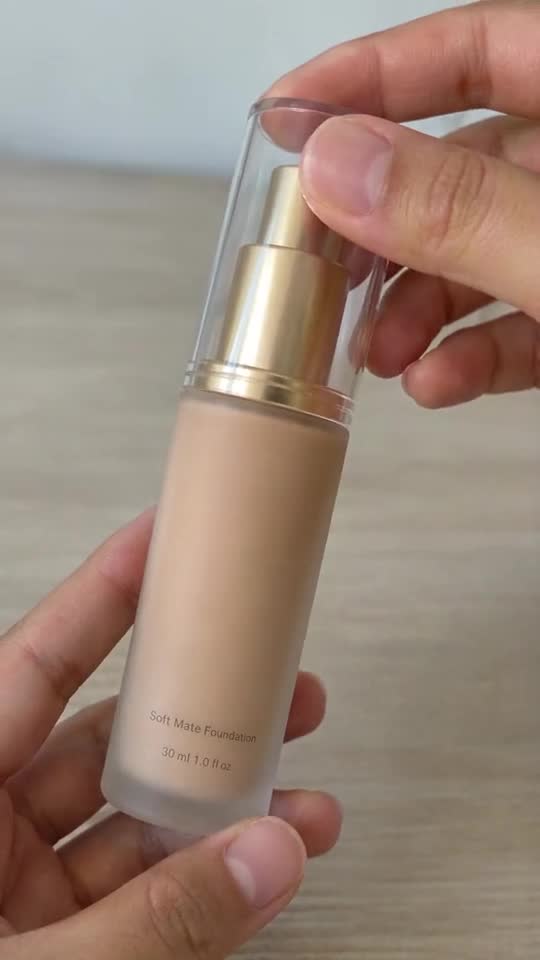
Soft matte foundation
OpenAffect AI-generated ad

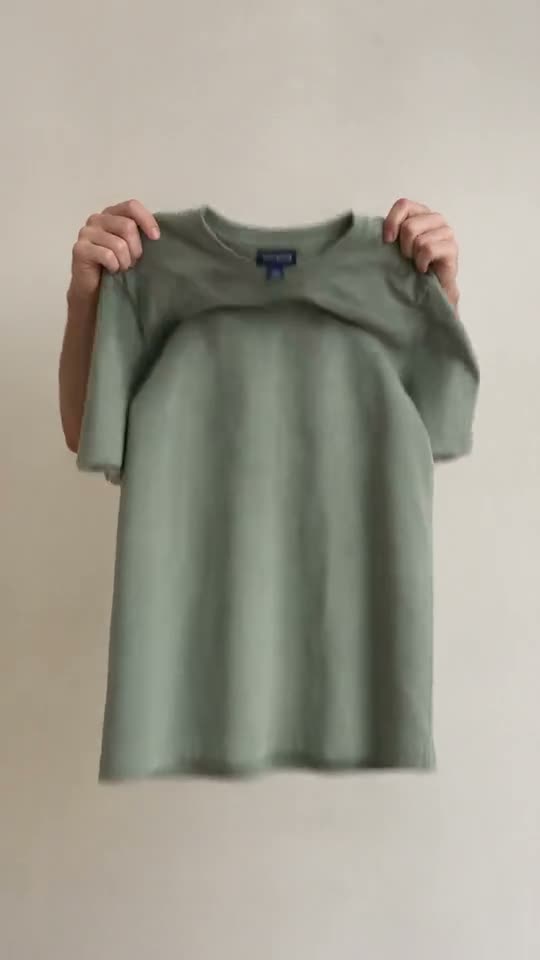
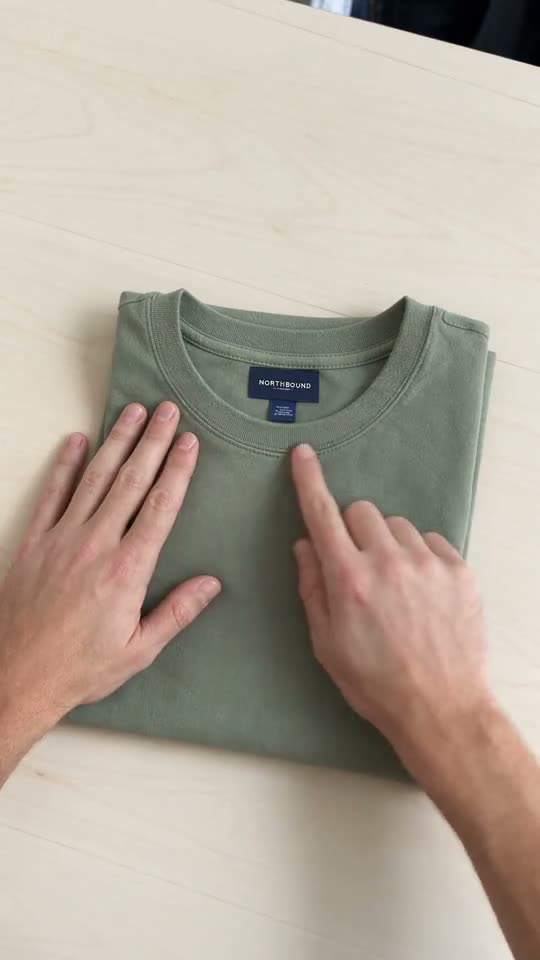
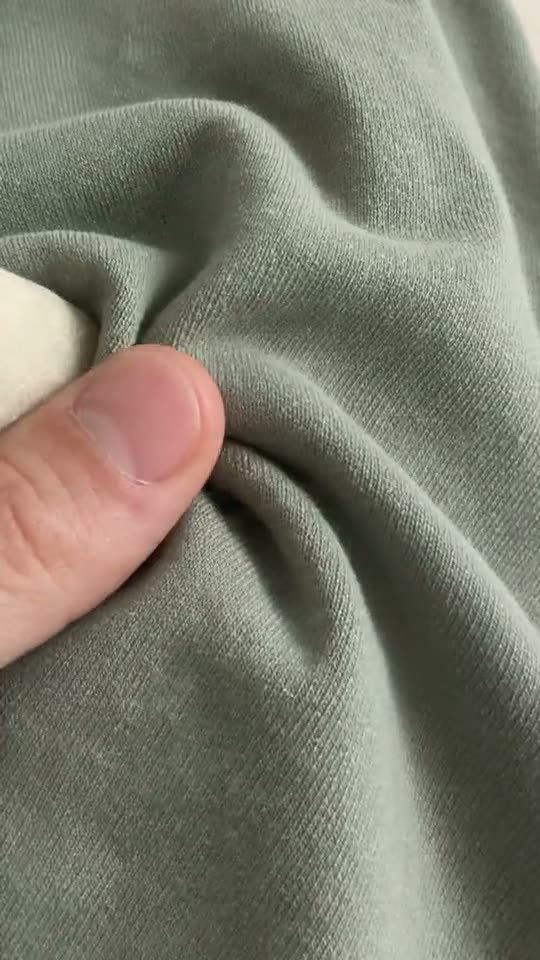
“Ribbed collar, and the tag, woven in.”
OpenAffect AI-generated ad

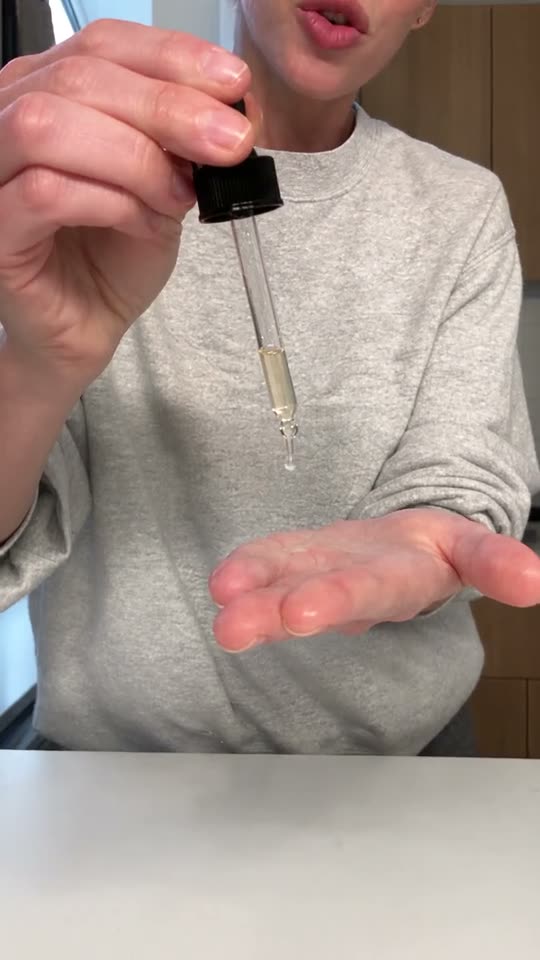
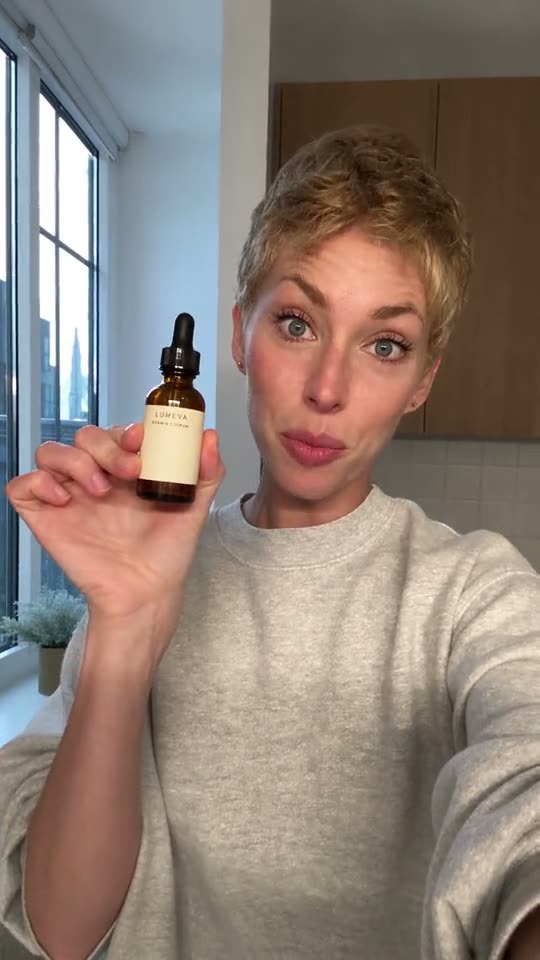
“This is what 15% vitamin C looks like.”
OpenAffect AI-generated ad

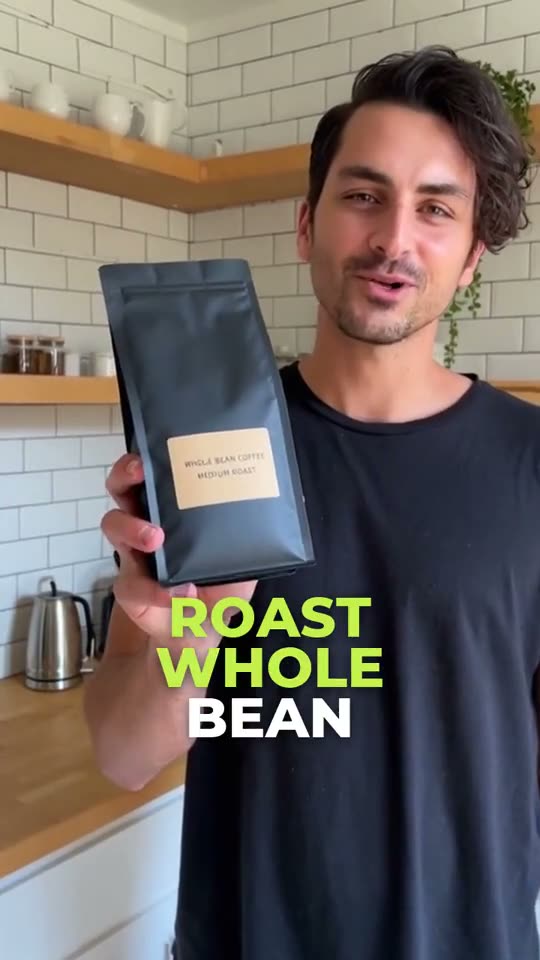
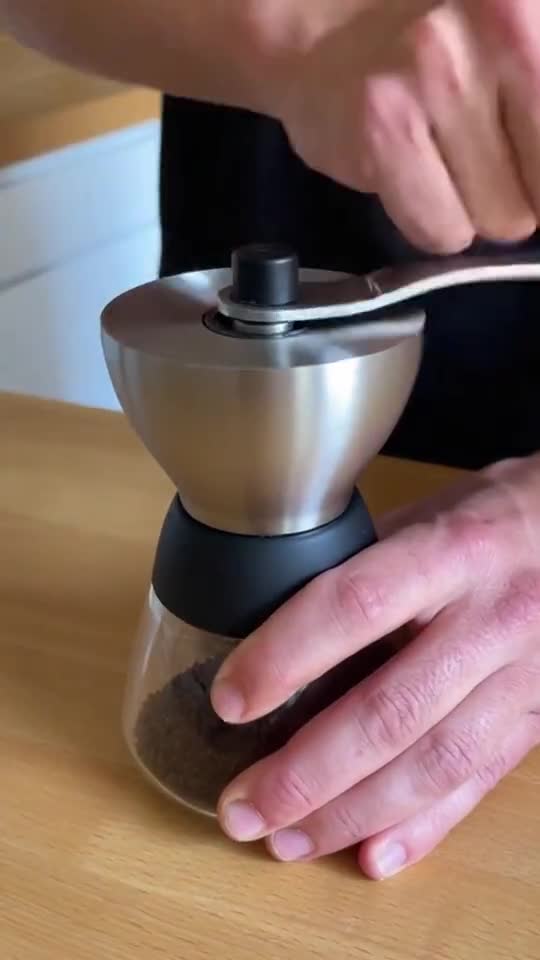
Whole bean coffee
OpenAffect AI-generated ad
“Taller than my hand, this whole thing.”
OpenAffect AI-generated ad
“Blood orange flavour, zero sugar.”
OpenAffect AI-generated ad
Soft matte foundation
OpenAffect AI-generated ad
“Ribbed collar, and the tag, woven in.”
OpenAffect AI-generated ad
“This is what 15% vitamin C looks like.”
OpenAffect AI-generated ad
Whole bean coffee
OpenAffect AI-generated ad
OpenAffect is building the largest content distribution network.
Our AI-Hybrid UGC Management delivery includes a mix of real UGC with AI-powered campaigns to scale your brand far beyond what one team could post. Our goal is a platform that can predictably help brands blow up on social media and convert views into revenue at scale.
An initial alignment call to get a clear understanding of your product/software, market positioning, and objectives, while ensuring mutual fit before moving forward.
An onboarding session mapping out your campaign strategy, audience targeting, AI usage, and acquisition funnel to optimize for quantifiable impact.
Each campaign, script, and video is manually approved to ensure consistent premium quality.
OpenAffect is in collaboration with University of Toronto & Sunnybrook Hospital to build a foundation model to accurately predict human response to content at scale to maximize for virality. Every campaign, content format, script, and video is run through our prediction model before it’s published.
Mapping how humans emotionally and cognitively respond to different forms of content, messaging, and experiences.
Learning patterns across text, video, audio, and behavioral data to build unified representations of human perception.
Measuring alignment between predicted and real-world human responses to continuously improve model accuracy.
Incorporating real human feedback loops to refine understanding of perception, emotion, and decision making.
The beta model is at its lowest rate it will ever be.
Price increases with every 10 partners we work with.
Our minimum commitment starts at 90 days. This gives the campaign ample time to warm up and gives our team time to develop a tailored UGC system for your brand. We are offering a limited 30 days POC, get in touch with us today.
A traditional UGC agency relies on real human creators to make every video, so quality and quantity fluctuate with each creator’s experience and commitment. Our hybrid AI model combines real creators with AI creators, so you get consistent quality at scale and an endless supply of content available at all times.
After the initial onboarding and strategy alignment call, we hold a weekly sync to make sure quality stays high and we’re delivering the value you’re looking for. Aside from that sync, we manage the entire campaign so your team can focus on fulfillment and running your business.
We move fast. After the onboarding call, you’ll fill out an intake form that gives us visibility into your company’s goals. Then we’ll schedule a strategy session to map out your campaign. From there, we start sourcing creators and generating AI avatars, and we begin posting within 7-10 days.
Packages pricing depends on the combination of real UGC creators and AI creators sourced. A second invoice is sent monthly to cover creator bonuses. Depending on your specific needs, the price may vary based on the campaigns.
