Ad creative for ecommerce brands
Twenty new ads a month, built on research your competitors skip.
- We read your reviews, your account and your competitors’ ads before writing a hook
- Every concept is scored before production, so your budget tests the ideas likely to win
- A small team with AI doing the work, at a fraction of a creator pipeline’s cost
One finished ad for your product, plus two more angles. Free, within 72 hours, no call needed.
Three ads, one product photo each. AI presenters show the product and never claim to have used it. Sound is one tap away.
The gap
The brands winning on Meta ship more creative than most teams can make.
Motion’s 2026 benchmark covered 578,750 creatives across 6,015 accounts and $1.29 billion in Meta spend: the average brand at $50K to $200K a month ships about seven new creatives a week, the top quarter ships 2 to 3x more, and only about 5% of ads become winners.
At that hit rate, volume is how winners get found. Most brands cannot produce it: a human creator costs $150 to $300 a video before rights, an in-house team costs $250,000 to $400,000 a year. So they settle for two or three ads a month and hope one carries the account.
Media is not getting cheaper while they wait. Triple Whale’s 2025 panel saw Meta CPMs rise 20% year over year while cost per purchase rose only 1%. Brands that held costs flat did it with creative.
We built this service to close that gap.
New creatives a week, by monthly Meta spend
Averages from Motion, Creative Benchmarks 2026. Top quartile in every tier: 2 to 3x the average.
| Monthly spend | Average | A month |
|---|---|---|
| Under $10K | 2.8 | about 12 |
| $10K to $50K | 4.1 | about 18 |
| $50K to $200K | 6.7 | about 29 |
| $200K to $1M | 11.2 | about 49 |
| $1M and up | 18.9 | about 82 |
about 5%
of ads become winners
$198
average per human UGC video, before rights (Billo, UGC rates 2025)
Sources: Motion, Creative Benchmarks 2026, Billo, UGC rates 2025, Triple Whale, Meta benchmarks 2025. Monthly figures are weekly averages times 4.33.
How it works
Research first. Then volume. Then the numbers decide.
Most creative shops start at the shoot. We start at your customers and competitors, and produce nothing the research has not argued for.
Read the account
Before writing a line, we audit your top 10 ads, pull competitor creative from the Meta Ad Library, and mine your reviews for words customers actually use. You get the map: saturated angles, empty ones, and which of your ads is carrying the account.
Write and score the concepts
Angles become scripts. Each runs through our scoring model, which predicts attention, and a jury of 20 synthetic personas built from your customers. Weak ideas die here, before production.
Produce 20 a month
20 short vertical ads a month, each with a presenter who shows the product on camera. First 5 land within 72 hours, with unlimited revisions, cut for paid and organic, labeled as AI.
Rank, kill, iterate
Every week, a ranked report: what is winning, what we are killing, what ships next. Winners get new hooks. Losers teach the model what your buyer ignores, and the hit rate climbs the longer we run.
One product, start to finish. Nothing in this diagram is a mock-up.
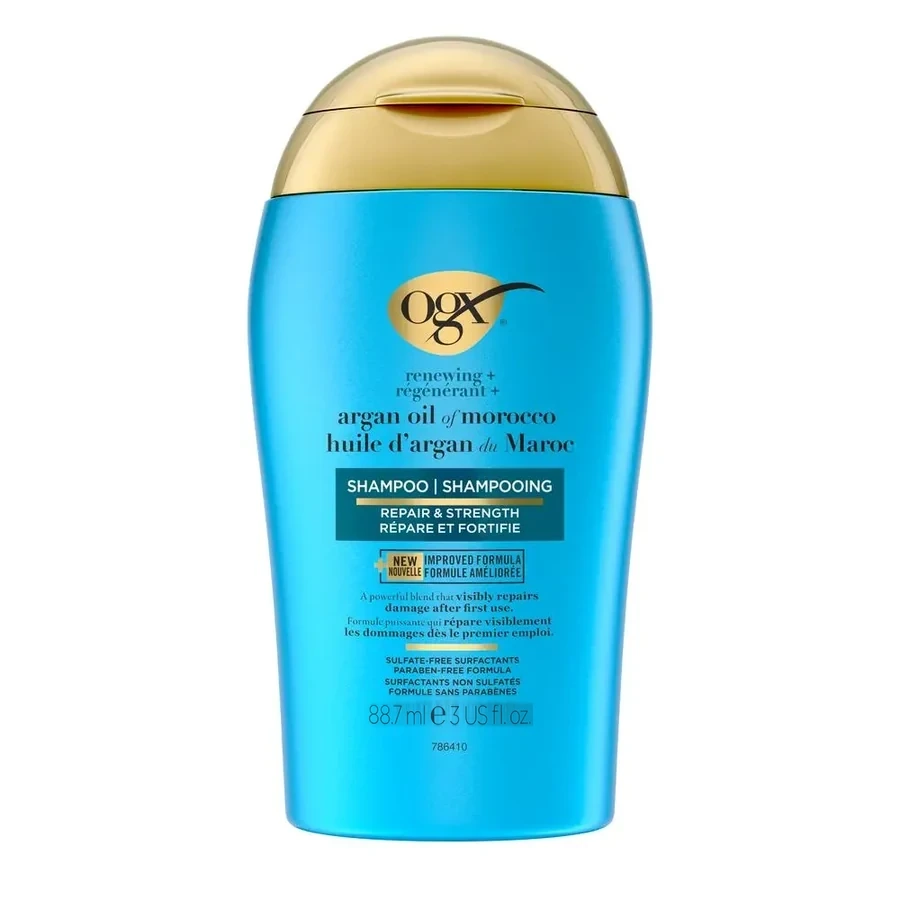
The product, access to the ad account, and any research you already have.
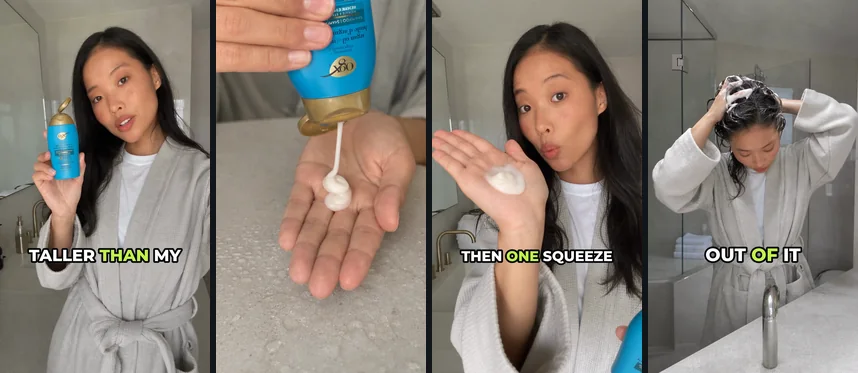
@yourbrand
the one that finally sorted my hair out
AI presenter
Cut for paid social and organic.
The scoring model is built on published brain-response research and we publish how it calibrates against real ad performance, misses included. Read the calibration study. It ranks ideas before production. It does not predict your results.
The work
Three ads, three products, one product photo each.
Made the way we make client work: a presenter shows the product, the script comes from real customer language, and every claim matches the label.
Our ad presenters are AI-generated. They show the product, never claim to have used it, and every ad carries the platform’s AI label.
The engagement
What a month with us looks like.
One engagement, priced on a call after we see your account. Here is what it includes, and what we put in writing.
20 new ads a month
Each one scored, produced as a short vertical video with a presenter, cut for paid and organic.
An audit of your top 10 ads before month one starts
Which ads are carrying the account, which are dead, and what the winners share.
A competitor breakdown from the Meta Ad Library
What is converting in your niche, which angles are saturated, and which are empty.
Scoring on every concept before production
Weak ideas die on a spreadsheet instead of in your ad account.
Your first 5 ads within 72 hours of kickoff
You see finished work before the first week is out.
Unlimited revisions
A line, a hook, a presenter, a product angle. Change any of it.
A weekly ranked report
What is winning, what we are killing, and what ships next.
Two guarantees, in writing
Delivery
We commit to a monthly volume before you sign. Miss it, and that month is free.
Performance
We agree in writing what beating your best ad looks like, before we start. If we miss it, we keep working until we do.
We take on 3 new brands a month, so each account gets the whole team.
There is no pricing page. We scope the engagement on a fifteen-minute call and give you the number then. Book it here.
Teardown · Haircare · read September 11, 2026
Everyone in haircare sells hair loss. Almost nobody sells a shampoo.
We read about 190 active video ads in the US Meta Ad Library, tagged about 120 by angle, and counted: 4 of twelve rows are full or owned, 6 are empty. That is the read every engagement starts with, on a real category you can check.
- 01
Hair loss is the category’s default pitch
Eighteen of the advertisers we read lead with thinning, shedding or regrowth. It is the most crowded row on the map by a distance, and the auction prices reflect it.
- 02
The winners re-cut one ad instead of making twenty new ones
Polar Haircare’s “10-Minute Gray Coverage Shampoo” hook has been live since August 2025 and has at least five separate launch dates. TréLuxe has run the same paragraph of copy across more than ten ads since May 2025.
- 03
Nobody is demonstrating the wash
DTC haircare runs one-to-seven-minute advertorials. Big brands run six-to-thirty-second spots. The twelve-second product-in-hand demonstration slot, the one that shows the lather and the result, is close to empty.
Proof
We are early, so here is exactly what we can show you.
We do not have client case studies yet, and we will not invent one. What we can show: the work, the research method on a real category, the scoring instrument with its calibration published, and a free sample so you judge the output before you pay for anything.
The work
Three finished ads, and how one of them was made
The product photo, the storyboard, the frames, the finished cut. Judge the quality yourself.
See the workThe research
A full teardown of a real category
We read haircare’s live ads the way we would read yours: the angle map, the saturated rows, the empty one, and the concepts we would build.
Read the teardownThe instrument
How the scoring holds up against real ad performance
We scored live ads, then checked the scores against how they actually performed. Method and misses are both in the write-up.
Read the calibrationThe fourth piece of proof is the one you order: a free ad, back within 72 hours.
This is built for some brands and wrong for others.
Ask for the sample if
- Ecommerce brands already selling, with paid social running or about to start
- A product people talk about, so there are reviews to mine for angles
- Tired of paying per video and waiting on a creator’s filming schedule
- Willing to test twenty ideas to find the two that scale
Skip us if
- Pre-launch, with no customers and no reviews yet
- Wanting one video rather than a system that ships every week
- Needing a real customer testifying on camera. A synthetic presenter cannot do that
- Prescription or medical products, because we cannot verify the claim rules for you
The questions we get on every call
How is this different from a UGC agency or a creator marketplace?
A marketplace sells you videos and leaves the thinking to you. We start with the research (your reviews, your account, your competitors’ ads), score every concept before production, and iterate weekly on the numbers. We also produce at a volume a creator pipeline cannot match, because a small team with AI is not waiting on anyone’s filming schedule.
Are AI presenters allowed in ads?
Yes, with rules we handle for you. Meta, TikTok and YouTube all require disclosure for realistic AI content. The line that matters most is the FTC’s: a presenter who never used the product cannot say they did. Ours show the product, never testify, and every ad is labeled, which keeps you clear of a rule now carrying penalties of up to $53,088 per violation.
What does it cost?
We do not publish pricing, since every account is scoped differently, but you get the number on the first call. For the volume we produce, it comes in under a single UGC creator’s rate for the same count of videos, before rights. Bring your current cost per ad, and we will run the comparison live.
Who owns the ads?
You do, permanently, across paid and organic. Stop working with us and you keep everything: the research, the angle map, the concept library.
How fast is the first month?
Your first 5 ads land within 72 hours of kickoff. The audit and competitor breakdown take the first week, and the month’s 20 land inside 30 days. We put a floor on that volume in the agreement; miss it and you do not pay.
What if none of them beat what I am already running?
Then we keep working until one does. Before you sign, we agree what beating your best ad means, which metric settles it, and how long we get, all written into the agreement. Every account measures this differently, so we set it with you rather than publish a number here.
Do you run the media buying?
Not today. We make the creative and tell you which ads to back. Your buyer or agency runs the spend; we work alongside them on the weekly report.
What is the scoring model, really?
A model built on published brain-response research that predicts how a short video holds attention, plus a jury of 20 synthetic personas. It ranks ideas before production and does not predict your results, and we publish how it calibrates against real ad performance, misses included.
Something we did not cover? Ask it on the call.